Wissington Uncovered: A Rural Hamlet on Suffolk's River Stour
Nestled peacefully along the meandering River Stour, where Suffolk gently kisses the Essex border, lies Wissington – a charming, often overlooked, rural hamlet. Known affectionately by some as Wiston, this ancient settlement offers a tranquil escape and a window into a bygone era, all while being surprisingly close to areas of significant historical and artistic acclaim. Far from a bustling town, Wissington embodies the quiet beauty of the English countryside, characterized by its scattered dwellings, historic church, and deep-rooted connection to the land.
Part of the larger civil parish of Nayland-with-Wissington in the Babergh district of Suffolk, Wissington plays a vital role in understanding the region's historical evolution. While Nayland stands as the more prominent village within the parish, Wissington retains its distinct identity as an older, more dispersed community. Its location on the River Stour not only defines its picturesque landscape but also positions it within the revered "Constable Country," a landscape immortalized by the celebrated artist John Constable. Yet, Wissington offers more than just scenic views; it boasts a rich tapestry of history, community life, and even a surprising undercurrent of economic activity for those who look closely.
A Glimpse into Wissington's Deep History and Community Fabric
Wissington's origins are deeply embedded in the annals of English history, potentially tracing its roots back to the Domesday Book of 1086, where it may have been recorded as part of the Nayland Manor. This connection underscores its status as an ancient settlement, predating many of its neighbours. The hamlet’s historical journey saw it, alongside Nayland, as originally separate ecclesiastical parishes, a distinction that remarkably persists to this day, even after their administrative union. In 1883, under the provisions of the Divided Parishes Act, Wissington and Nayland were formally combined into a single civil parish, a step that streamlined local governance. This led to the establishment of the Nayland with Wissington Parish Council in 1894, tasked with managing the collective affairs of both communities.
Despite this administrative integration, Wissington maintains its unique character. It’s not a village with a central square or high street; rather, it’s defined by its "scattered dwellings" – homes dotted across the gentle landscape, connected by quiet lanes and footpaths. What truly unifies these dispersed residences, and indeed the spirit of Wissington itself, is the enduring presence of its Norman-era St. Mary's Church. This ancient edifice stands as a silent sentinel, witnessing centuries of life and change, serving as both a spiritual heart and a historical landmark for the community. The juxtaposition of ancient history and ongoing local governance highlights Wissington's ability to preserve its heritage while adapting to modern civic structures. This blend ensures that while the hamlet offers a peaceful retreat, it remains a vibrant, if quiet, part of the wider Suffolk community.
Discovering Wissington's Enduring Heritage and Natural Beauty
For visitors and locals alike, Wissington offers a compelling journey into both history and nature. The hamlet's deep roots, possibly stretching back to the Domesday Book, lay a foundational layer of intrigue. Exploring Wissington is less about grand landmarks and more about appreciating subtle historical nuances and the unspoiled natural environment.
The true historical jewel of Wissington is undoubtedly **St. Mary's Church**. This Norman-era structure stands as a testament to the hamlet's ancient past, its architecture whispering tales of early English settlement. Unlike the more elaborate St. James’ Church in Nayland, which was mainly built between 1400 and 1450 and famously houses an 1810 altarpiece by John Constable, Wissington's St. Mary's offers a more rustic, understated beauty. Its enduring presence has served for centuries as a focal point, unifying the otherwise scattered dwellings of the hamlet. A visit to St. Mary's provides a tangible link to the past, allowing one to imagine life in this peaceful corner of Suffolk over a thousand years ago. Understanding its significance helps in appreciating the quiet resilience of communities like Wissington through the ages.
Beyond its ancient church, Wissington’s prime location on the River Stour places it firmly within the enchanting **Constable Country**. This is the landscape that inspired some of Britain’s most iconic paintings, characterized by gently rolling hills, tranquil waterways, and picturesque villages. The River Stour itself is a central feature, offering serene reflections of the surrounding countryside and providing habitats for diverse wildlife. For those seeking active pursuits, the area is a paradise for walkers and cyclists. Numerous public footpaths crisscross the landscape, inviting exploration of the Stour Valley, offering breathtaking views, and opportunities for nature photography. Imagine strolling along the riverbanks, perhaps catching a glimpse of a kingfisher or otter, and soaking in the very views that captivated Constable himself.
To delve deeper into the historical connections of this captivating area, consider exploring resources like
Wissington: Tracing History from Domesday to Constable Country, which can enrich your understanding of its profound heritage. The natural beauty and historical depth make Wissington an ideal spot for anyone looking to reconnect with nature and history in a truly authentic rural setting.
Life in Wissington: More Than Just Tranquil Landscapes
While Wissington’s serene beauty and historical depth are undeniable, life in this rural hamlet encompasses more than just picturesque landscapes. The concept of "scattered dwellings" paints a picture of a close-knit community where neighbourly connections are often forged over generations. Local amenities might be modest, reflecting its rural nature, with residents often relying on the larger village of Nayland for shops, pubs, and other services. This dynamic fosters a sense of shared community within Nayland-with-Wissington, balancing Wissington's peaceful seclusion with access to essential resources.
For those considering a visit, Wissington and its surrounding areas offer excellent opportunities for a peaceful retreat. The presence of accommodation options, as indicated by various online listings, suggests a quiet tourism appeal. Visitors can often find charming cottages, guesthouses, or B&Bs that blend seamlessly into the rural environment, offering a chance to truly unwind and experience the slow pace of Suffolk life. Whether it’s a romantic getaway, a family break, or a solo escape, the allure of waking up to birdsong and stepping out into the idyllic countryside is a significant draw. The lack of major tourist attractions within the hamlet itself is, in fact, its greatest asset – promising an authentic, unhurried experience away from the crowds.
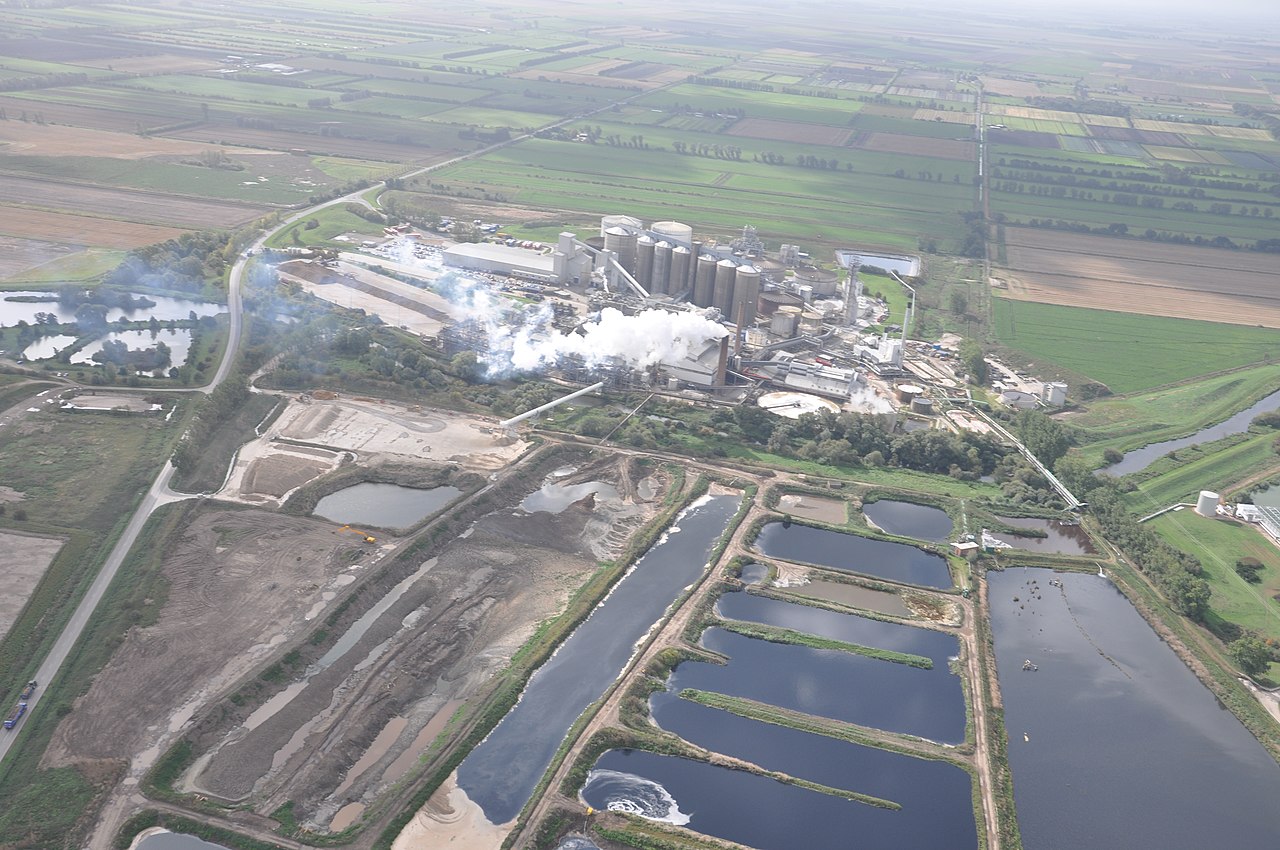
Beyond tourism and agriculture, which traditionally sustain many rural areas, Wissington also reveals a surprising economic facet: a demand for skilled trades and engineering expertise. Job postings in the wider Nayland-with-Wissington area frequently feature roles in sectors such as pipe fitting, mechanical fitting, welding fabrication, and even specialised positions like confined space rescue technicians. This suggests the presence of industrial or technical facilities in the vicinity, perhaps contributing to local infrastructure or manufacturing. This blend of traditional rural life with a modern industrial pulse creates a unique economic landscape, offering diverse opportunities for residents with specific skill sets. It showcases that even in the quietest corners of England, there's a dynamic interplay of different economic forces at work, providing employment and contributing to the local economy beyond what a superficial glance might suggest. To understand more about these local career prospects, explore
Wissington Job Market: Opportunities in Engineering & Trades.
Planning Your Visit to Wissington and the Stour Valley
Should you be inspired to uncover Wissington for yourself, planning is key to making the most of your visit to this delightful corner of Suffolk. Given its rural nature, accessing Wissington is typically easiest by car, allowing you the flexibility to explore the hamlet's scattered lanes and the wider Stour Valley at your own pace. Public transport options may be limited, so having your own vehicle is highly recommended.
The best times to visit are during the spring, summer, and early autumn months, when the Suffolk countryside is at its most vibrant. Spring offers blooming wildflowers and newborn wildlife, summer brings long, warm days perfect for riverside walks, and autumn paints the landscape in stunning hues of gold and crimson. Winter, while quieter, offers its own stark beauty, particularly for those seeking solitude.
Here are a few practical tips to enhance your Wissington experience:
*
Pack for the Outdoors: Comfortable walking shoes are a must, as you’ll want to explore the many footpaths and discover hidden vistas. If visiting in cooler months, layers and waterproofs are advisable.
*
Embrace the Peace: Wissington is a place for quiet contemplation. Don’t expect bustling shops or vibrant nightlife. Instead, prepare to slow down, listen to nature, and enjoy the tranquil atmosphere.
*
Explore Locally: While Wissington itself is small, its proximity to Nayland means you’re never far from amenities. Nayland offers charming pubs for a traditional meal or a refreshing drink, as well as local shops for essentials.
*
Discover Constable Country: Make time to visit other key locations within Constable Country, such as Flatford Mill and Dedham, both offering further insights into the landscape that so captivated John Constable. Many National Trust properties and charming villages are within easy driving distance.
*
Capture the Beauty: Bring your camera! The landscapes around Wissington, particularly along the River Stour, are incredibly photogenic, offering endless opportunities for stunning shots, from sweeping vistas to intricate details of flora and fauna.
*
Respect Local Life: Remember that Wissington is a living community. Be mindful of private property, drive carefully on narrow country lanes, and respect the peace and quiet enjoyed by residents.
Wissington truly offers an escape from the ordinary, allowing you to immerse yourself in a landscape steeped in history and natural beauty, providing a refreshing contrast to the demands of modern life.
Conclusion
Wissington, though a small and often understated hamlet, offers a remarkably rich tapestry for those willing to uncover its layers. From its ancient origins potentially linked to the Domesday Book and the enduring presence of its Norman-era St. Mary's Church, to its idyllic setting on the River Stour within the famed Constable Country, it is a place where history and natural beauty converge. Its unique status as a scattered community within the larger Nayland-with-Wissington parish highlights a charming blend of independent spirit and shared local governance. Moreover, the surprising undercurrent of skilled trades and engineering opportunities reveals a dynamic local economy beyond its tranquil façade. Whether you are a history enthusiast, a nature lover, or simply seeking a peaceful retreat, Wissington promises an authentic Suffolk experience – a quiet haven where the past echoes in the landscape and the rhythm of rural life continues unbroken.